






13/10/2026
If you need rubbish removal near Tottenham Court Road station in Soho, you are probably dealing...
Rubbish Clearance Soho provides rubbish clearance in Soho for homes, flats, offices and trade premises that need unwanted items removed in an organised, lawful way. The service covers everyday household waste, bulky items, furniture, appliances and work-related debris, with options suited to straightforward clearances and more involved jobs where different materials must be separated.
We keep the service practical and focused on the load itself: what needs moving, how it should be handled, and where it ought to go next. That may include mixed waste from a clear-out, one-off collections from a property, or support for ongoing commercial rubbish removal. If you need a quotation, the most useful first step is to share the type of waste and the approximate volume so the job can be matched to the right collection.
For a quick overview of the work we cover, see our services overview. Clear descriptions help keep enquiries efficient, especially when access is tight, items are awkward, or several waste streams need to be managed together. If you are planning a larger clearance, it is worth grouping similar items before arranging the visit.
Domestic clearances are often needed when bags, broken household items and general clutter have built up beyond what the usual bin collection can handle. Our domestic waste collection in Soho is designed for everyday waste from kitchens, living rooms, storage spaces and shared areas, with sensible handling for mixed loads that need sorting before removal. The aim is to remove what you no longer want without turning the process into a disruption.
For properties that need a fuller clear-out, our house clearance in Soho covers furniture, bagged waste and assorted contents that may be left after a move, refurbishment or long-term accumulation. House clearances often require a careful sequence so that reusable or recyclable items are separated from general waste, and so that rooms, stairways and communal spaces are left clear of loose debris.
When preparing a quotation, it helps to note whether the waste is already gathered or still spread across several rooms, and whether there are stairs, narrow corridors or lift restrictions to consider. Two short points are usually enough: what needs to go, and how easily it can be reached. That lets us judge the right approach without unnecessary back-and-forth. If you are ready to talk through a domestic job, send the key details first and we can take it from there.
Bulky items need different handling from bagged rubbish because they are heavier, more awkward to move and more likely to require dismantling or team lifting. Our furniture removal in Soho covers sofas, wardrobes, tables, chairs and similar items that no longer suit the space. The focus is on safe removal, sensible loading and making sure large items do not block access while being carried out.
Where an appliance is involved, our white goods and appliance disposal in Soho is aimed at equipment such as fridges, washing machines, cookers and other domestic units that cannot simply be left out with ordinary refuse. These items may contain components that should be handled separately, so a structured collection is more appropriate than a general tidy-up. If your load includes both appliances and old furniture, the service can be planned around the mix.
Useful points to mention in this type of enquiry include whether the item is in a flat, on a basement level, or already outside, and whether it can be moved as a single piece or needs partial dismantling. A few extra details often prevent delay and make the quotation more accurate. Please request a quotation once you know the main items, especially if several bulky pieces need to be cleared together.
Worksites and business premises often generate a different kind of rubbish from domestic properties: mixed rubble, packaging, timber offcuts, damaged fixtures, office clutter or routine waste from a refit. Our builders waste removal in Soho is suitable for post-project leftovers and small to medium quantities of trade waste that need to be taken away promptly and kept separate from normal household materials. The service is useful where a site needs to be cleared for the next stage of work.
For shops, offices, hospitality spaces and other occupied premises, our commercial waste removal in Soho supports regular or one-off clearances of business rubbish, surplus stock, packaging and general items no longer required on site. This is often best organised around the business schedule, the nature of the waste and the areas that need to stay open while collection happens. Keep the description factual and we can match the collection to the task.
When comparing these options, think first about the waste type rather than the setting alone. A building project may produce light packaging one day and heavier mixed debris the next, while a business may need furniture, documents, shelving or store fixtures removed together. If you are unsure which service fits best, list the main materials and note whether access is shared, timed or restricted. That is usually enough to shape a practical quotation.
Although Soho is known for dense streets and compact premises, outdoor areas and shared courtyards can still generate green waste, potting materials and seasonal cuttings. Our garden waste removal in Soho is designed for plant cuttings, branches, soil-contaminated materials and other garden debris that benefits from a separate collection rather than being mixed into household rubbish. It is a practical way to clear waste after pruning, tidy-up work or small landscaping tasks.
Responsible disposal matters across every type of clearance, which is why our recycling and sustainability information explains the broader handling approach behind the service. Different materials need different routes, and separating them where possible helps ensure waste is dealt with in a more considered manner. The same principle applies whether the load is mainly domestic, commercial or from a refurbishment job.
The type of waste affects the time and method involved, so it is worth noting whether the load is mostly green material, mixed rubbish or heavier items such as broken planters and discarded furniture from outside areas. If photographs are available, they can be useful; if not, a short written description can still be enough for an initial estimate. Keep it simple and focus on material type, quantity and access.
Rubbish clearance prices usually depend on the quantity of waste, the type of material, the ease of access and whether any items need dismantling or separating before removal. Our pricing and quotes page sets out the factors that shape a quotation so you can understand what information is most helpful when making an enquiry. Clear pricing discussions are easier when the job is described in practical terms rather than broad guesses.
The simplest way to plan a collection is to identify the main category of waste, then add anything unusual that might affect loading, safety or disposal. If a property has limited parking, narrow stairs, or a need to work around opening hours, those details should be mentioned early. One clear message is usually enough: what is being removed, where it is located, and any access issues that may alter the work.
If you are ready to get started, you can still make a plain-text enquiry and ask for a quotation without gathering a long list of notes. For reference on payment handling and the practical side of arranging a job, visit our payment and security information. When you are ready, please request a quotation and include the waste type, approximate volume and location within the property.
Clearance work involves handling waste carefully, loading it safely and making sure the material is managed in line with the relevant requirements. Our insurance and safety information explains the practical emphasis on working responsibly around property, access routes and the items being moved. That matters whether the job is a single bulky object or a fuller clearance with mixed materials.
For customers who want to understand how waste is handled beyond the collection itself, the waste carrier licence and compliance page sets out the framework used for lawful transport and disposal. It is a useful reference point when you want a more detailed explanation of the standards behind the service. Good clearance practice starts with clear identification of the waste and ends with proper onward handling.
These details are especially relevant where a property contains a mix of household items, trade debris and equipment that may need separate sorting. If you are gathering information for a quotation, there is no need to overcomplicate it: note the main waste types, any fragile access points and whether anything needs dismantling first. That keeps the process efficient and helps the collection be planned around the actual job.
Soho is a compact central London district in the City of Westminster, bordered by Oxford Street to the north, Charing Cross Road to the east, Piccadilly Circus to the south and Regent Street to the west. It developed from a largely aristocratic area into a mixed urban quarter with a long reputation for theatres, restaurants, music, publishing and nightlife. The street pattern is irregular and closely woven, which reflects older building plots rather than the broad planning of later Victorian districts. Soho Square, one of the better-known open spaces in the area, provides a green contrast to the dense surrounding streets and serves as a reminder that the district contains pockets of calm amid heavy pedestrian activity. Many buildings are comparatively modest in scale, but the area also includes notable Georgian and later façades, lane-side entrances, and shopfronts that have changed use repeatedly over time. The district has long attracted creative industries, media businesses and independent venues, while also remaining a residential neighbourhood in parts. This blend of uses has shaped its character for generations, giving Soho a reputation for constant movement, varied architecture and a distinctly urban pace. As a result, it is one of London’s most recognisable areas, where historic identity and modern commercial life sit closely together.
Some jobs are best approached as mixed clearances rather than as a single-item collection. That can happen when a room contains furniture, appliances, bagged rubbish and leftover materials from decorating or light refurbishment. In those cases, the order of removal matters, because heavier items may need to come out first and smaller waste can then be gathered without obstructing access. A well-planned collection is usually faster and tidier than trying to move everything in one pass.
Our approach is to keep the service adaptable without making assumptions about the site. A small flat, a shared building, a retail unit or a back-of-house storage area may each call for a different loading method. If a property has limited working space, it can help to indicate which rooms are involved and whether items are stacked, boxed or loose. For mixed loads, a simple room-by-room description can be more helpful than a long general explanation.
Where the waste is varied, it is also worth checking whether some items should stay on site, be kept aside for reuse, or be separated from the main collection. That is especially relevant in offices and commercial premises, but it can also matter in domestic clear-outs where not everything is destined for removal. If you want to move ahead, use the quotation page as a starting point and then send a clear description of the load.
When you contact us for a quotation, the aim is to make the job easy to assess rather than to ask for unnecessary paperwork. A few key details are normally enough: the type of waste, how much there is, where it is located and whether access is straightforward. If you already know that items are bulky, fragile or difficult to reach, mention that as well so the arrangement reflects the real work involved. You do not need to write an essay; a concise message usually works best.
For customers who prefer to understand more about the business before requesting a collection, the about us page gives background on the company, while the contact us page is the place to send a direct enquiry. These pages sit alongside the main service information so you can review the practical details and then decide how to proceed. If you would like to compare the service structure first, the services overview remains a useful summary.
Whether the task is domestic, commercial or a mixture of both, the next step is the same: ask for a quotation with enough detail to describe the waste honestly. That helps keep expectations clear and ensures the collection is arranged around the load, the site and the level of handling required. If you are ready, send the information now and we will review the best approach for your clearance.
Rubbish clearance in Soho for household, furniture, builder’s waste, appliances and commercial rubbish removal. Request a quotation from a local team.
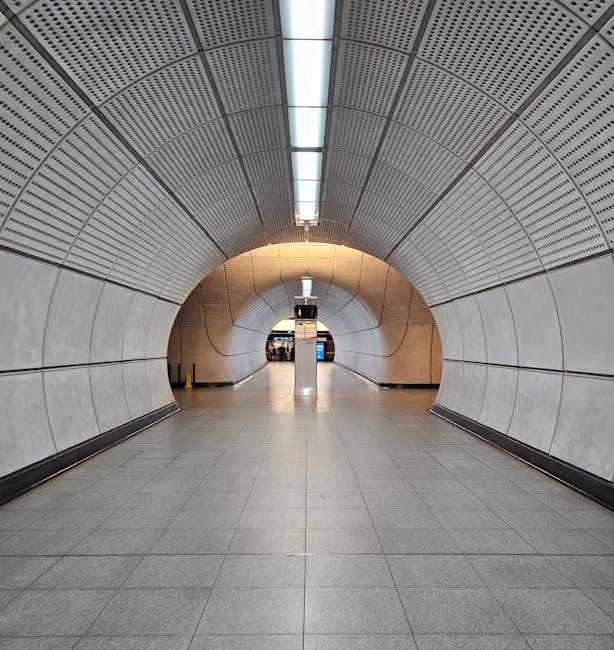
If you need rubbish removal near Tottenham Court Road station in Soho, you are probably dealing...
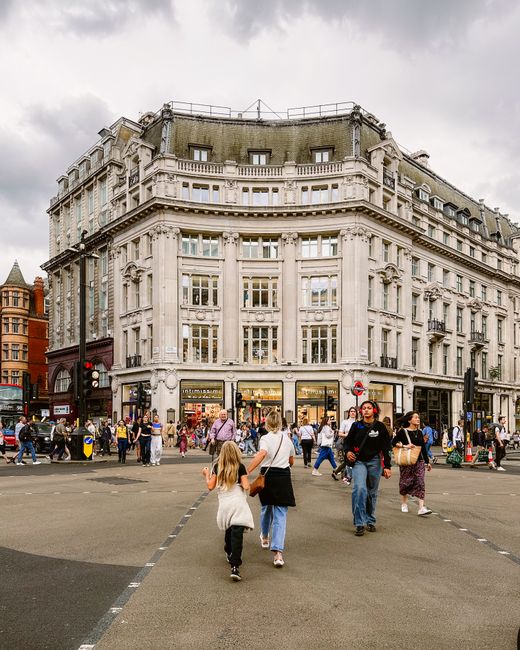
If you need Soho rubbish collection Frith Street to Oxford Circus, you are probably dealing with...
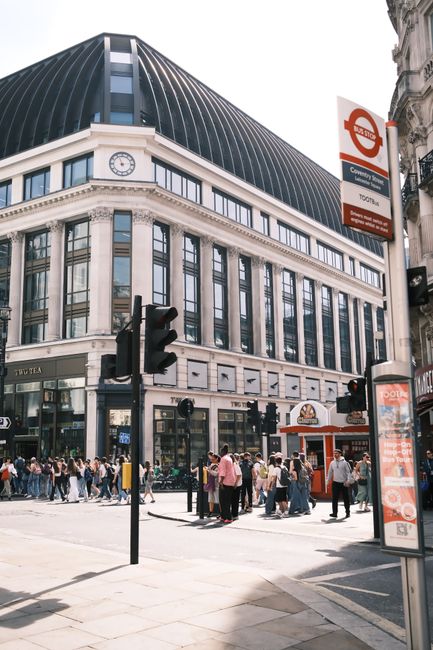
If you need Rubbish clearance Soho Oxford Street same day service, you probably need it now, not...

Soho, located in the heart of New York City, is a vibrant neighborhood known for its cultural...

Biomimicry in the Fight Against Waste: Taking Cues From Nature To Create Sustainable Solutions We...

Soho, situated in the heart of London, is one of the city's most vibrant and dynamic...

Soho, an iconic district in the heart of London, is renowned for its vibrant nightlife, eclectic...

London's Soho neighborhood is known for its vibrant nightlife, diverse dining options, and rich...

Investing in Soho real estate is an exciting venture that promises substantial returns.

 (71)
(71)
Please fill out the form below to send us an email and we will get back to you as soon as possible.