Rubbish removal near Tottenham Court Road station in Soho
Posted on 13/10/2026
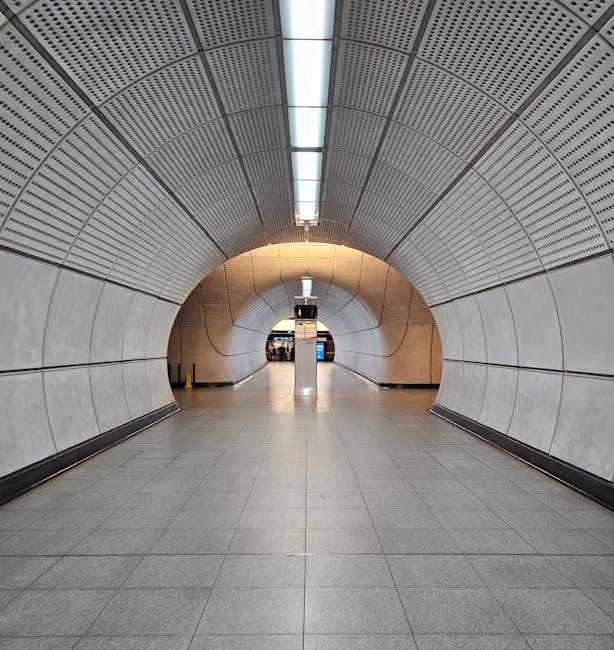
Rubbish removal near Tottenham Court Road station in Soho: a practical local guide
If you need rubbish removal near Tottenham Court Road station in Soho, you are probably dealing with a very specific kind of headache: tight streets, limited loading space, awkward lifts, and not much time to spare. Soho is lively, busy, and full of places where waste builds up quickly - flats, offices, shops, venues, refurb jobs, and those odd clear-outs that somehow turn into a whole weekend. Truth be told, it does not take much for clutter to get in the way.
This guide explains how local rubbish removal works, what to expect, who it helps most, and how to avoid the common mistakes that cost time or money. You will also find a practical checklist, a clear comparison of options, and a few grounded tips that make the whole thing less stressful. No fluff. Just the useful bits.
Why rubbish removal near Tottenham Court Road station in Soho matters
Soho is not the kind of place where waste can quietly sit around for days. Near Tottenham Court Road station, footfall is heavy, roads are busy, and access can be tricky even for a small van. That matters because rubbish left too long can block walkways, create complaints, attract pests, and make a property look neglected. For businesses, it can also affect trading. For residents, it can turn a manageable tidy-up into a frustrating mess.
The local setting changes the job. A clearance in a quiet suburban street is one thing. A clearance off Oxford Street, close to a station, with delivery windows and people constantly passing through? That is a different animal. You need a service that understands how to work around restrictions, move efficiently, and keep disruption low. That is especially true for same-day or urgent clearances where timing is everything.
There is also the simple reality of space. Most homes and commercial premises in central London do not have generous storage for bags, broken furniture, or bulky waste. One overflowing room can start to feel much bigger than it is. And because the area is mixed-use, waste often comes from more than one source at once: renovation debris, packaging, old office furniture, or end-of-tenancy clutter. One pile becomes three. Then suddenly, well, it is not just a pile any more.
If you want a broader sense of the types of services available locally, the services overview is a useful place to start, especially if you are deciding between a one-off clear-out and a more specific removal job.
How rubbish removal near Tottenham Court Road station in Soho works
The process is usually simple from the customer side, even if the logistics behind it are a bit more involved. You describe what needs removing, share any access details, and get an estimate or quote. Then the team arrives, loads the waste, and takes it away for sorting, reuse, recycling, or disposal depending on the material.
In practical terms, a good rubbish removal service in Soho usually follows this rhythm:
- Initial assessment - You explain what needs to go, where it is, and whether there are stairs, lifts, parking issues, or narrow access points.
- Quote or estimate - Pricing is often based on volume, weight, labour, or the type of waste. Mixed loads can affect the price.
- Collection planning - The provider considers timing, access, and any local restrictions that may affect loading.
- Removal day - The team removes the rubbish, often carrying it out manually in busy buildings where larger vehicle access is limited.
- Sorting and handling - Waste is separated where possible, with reusable or recyclable materials diverted appropriately.
- Final disposal - The waste is taken to the right facility or transfer point. This is where compliance matters a great deal.
It sounds straightforward, and usually it is. But the difference between a smooth job and a stressful one often comes down to the detail: whether parking was checked, whether bulky items were dismantled in advance, and whether the load included anything that needs special handling. That little bit of planning saves a lot of awkward back-and-forth on the day.
For property owners dealing with a more extensive clearance, house clearance in Soho can be a better fit than a simple bin-and-bag collection, especially when you are clearing multiple rooms or a whole flat.
Key benefits and practical advantages
The main reason people choose professional rubbish removal near Tottenham Court Road station is not just convenience, although that helps. It is control. You get the mess handled quickly, with less lifting, fewer delays, and less risk of waste hanging around longer than it should.
- Speed - Useful when you need a space cleared before a move, inspection, delivery, or opening.
- Less physical strain - Heavy lifting is no joke, especially with awkward furniture or builders' waste.
- Better access management - Good teams know how to work in tight central London settings.
- More reliable disposal - Materials are handled through proper waste streams rather than dumped or mixed carelessly.
- Cleaner presentation - Important for landlords, agents, shopfronts, and hospitality spaces.
- Reduced stress - Which, to be fair, is worth quite a lot when the job is already on your plate.
There is also a quieter benefit: peace of mind. If you have ever stood in a room full of bags, cardboard, broken shelving, and a wobbling chair you meant to fix six months ago, you know the feeling. Once it is gone, the space changes immediately. It breathes again.
When the waste includes bulky items, a dedicated furniture removal service in Soho can make the process much easier than trying to move everything yourself in stages.
Who this is for and when it makes sense
This type of service is useful for a lot of people, not just landlords or builders. Soho has a mix of uses, and waste problems show up in equally mixed ways.
You may need rubbish removal near Tottenham Court Road station if you are:
- moving out of a flat and need a fast end-of-tenancy clear-up
- renovating a property and generating light construction waste
- closing, refitting, or refreshing a retail or hospitality space
- clearing old office furniture, boxes, or packaging
- dealing with white goods that are too awkward to move alone
- removing a one-off pile that will not fit into normal bins
- preparing a property for sale, letting, or photography
It also makes sense when you have items that are simply too much for a regular council-style bin run. In central London, many people underestimate how quickly small domestic waste can become a logistics problem. A few bags, an old wardrobe, and some broken flat-pack parts can be enough to block a hallway or fill a boot. You will notice it the moment you start moving things around.
If your waste is a mix of household clutter and larger items, domestic waste collection in Soho can be a practical middle ground. For business premises, commercial waste removal in Soho is often the better choice because it is shaped around trading environments and larger volumes.
Step-by-step guidance
If you have never arranged rubbish removal before, the process is easier than it looks. Here is the cleanest way to handle it without unnecessary drama.
1. Sort the waste into rough groups
Start by separating general rubbish, bulky items, furniture, cardboard, and any material that may need special handling. You do not need to overthink it. Just avoid throwing everything into one giant mystery pile if you can help it.
2. Measure the scale of the job
Take a quick look at how much space the items occupy. A few black bags are one thing; a corner packed with cupboards, boxes, and debris is another. Photos help a lot here, especially when access is tight or the job needs a quick quote.
3. Check access and timing
Think about stairs, lifts, loading bays, entry codes, and where a vehicle can realistically stop. Near Tottenham Court Road station, timing matters because traffic and pedestrian flow can affect how smoothly the job is done.
4. Ask what happens to different waste types
Not all rubbish is treated the same. Some items can be reused, some recycled, and some need disposal through specific channels. It is sensible to ask how mixed loads are handled rather than assuming everything goes in one direction.
5. Confirm pricing details before booking
Make sure you know whether the quote is based on volume, labour, item count, or a combination. A clear quote usually reduces surprises later, which is exactly what you want in a busy area.
6. Prepare the items for collection
If possible, move waste to one place, flatten cardboard, and make larger items easier to lift. If something is too heavy or awkward, leave it and say so in advance. Better that than a bad back and a delayed collection.
7. Walk through the result afterwards
Once the clearance is finished, check the area properly. Look in corners, behind doors, and under shelving if relevant. That last sweep often catches the stray bits everyone forgets in the rush.
Expert summary: the most efficient rubbish removal jobs in Soho are the ones where the access, waste type, and timing are clear before anyone arrives. That is the real secret. Not flashy, just practical.
Expert tips for better results
A few small habits make a noticeable difference. In our experience, the smoother jobs are usually the ones where the customer has done a little prep, not a lot. Little and often beats frantic last-minute sorting every time.
- Photograph the waste from more than one angle. This helps with quoting and avoids confusion later.
- Flag anything unusual. Old paint, broken appliances, sharp material, or heavy items should not be a surprise on arrival.
- Book with access in mind. A slightly awkward time slot can be better than a theoretically convenient one if traffic is calmer.
- Ask about recycling routes. Many people want waste handled responsibly, and rightly so.
- Keep the route clear. A tidy path saves time and reduces the risk of damage.
- Separate keep, donate, and remove piles. It sounds obvious. Yet somehow the mixed pile always grows legs.
If your job involves construction or refurbishment waste, builders' waste removal in Soho is worth considering because rubble, plasterboard, timber, and packaging often need a more structured approach than household rubbish.
One more thing: do not assume the cheapest quote is the best one. A low price that ignores access, labour, or compliance can become expensive fast. The real value is in a service that turns up prepared and actually finishes the job cleanly. Simple, but not always common.

Common mistakes to avoid
Most problems in rubbish removal are preventable. The tricky part is that people usually only discover the mistake once the van is outside and the clock is already moving.
- Underestimating the volume. What looks like "a few items" can become a full load once it is stacked and lifted.
- Forgetting access issues. Narrow stairwells, restricted parking, and busy streets can alter the whole plan.
- Not mentioning mixed waste. Furniture, general waste, and building material all have different handling implications.
- Leaving booking until the last minute. Same-day work is possible in some cases, but it is not always guaranteed.
- Assuming all waste can be collected the same way. Some items need special care or separate treatment.
- Choosing a provider without checking compliance. That can create unnecessary risk for the property owner or business.
There is also a small but important human mistake: forgetting how much time a tidy-up takes when you are emotionally attached to the mess. We have all done it. A cupboard full of "maybe useful" things can slow down an entire clearance because every item becomes a little decision. Be honest with yourself early on.
Tools, resources and recommendations
You do not need a big toolkit to prepare for rubbish removal, but a few basic things make the process easier.
- Heavy-duty bin bags for loose waste and smaller items
- Gloves for handling dusty or sharp materials
- Tape and markers if you want to label keep/remove piles
- A tape measure for bulky furniture and tight doorways
- Phone photos for quoting and planning
- Cleaning cloths or a broom for the final sweep once waste is gone
Useful service pages can also help you narrow down the right type of collection. For example, white goods and appliance disposal in Soho is a better fit if you are clearing fridges, washing machines, or other awkward appliances. For smaller tidy-ups with a home focus, furniture removal in Soho may be enough on its own.
And if you are just trying to understand the company a bit better before booking, the about us page and pricing and quotes page are helpful for getting a feel for the service approach.
Law, compliance, standards, and best practice
Waste removal in the UK is not just about moving things from one place to another. It needs to be handled responsibly, and that means paying attention to proper waste carrier practices, safe handling, and lawful disposal routes. You do not need to become an expert overnight, but you should be cautious about who takes your rubbish away.
A reputable provider should be able to explain how waste is collected, transported, and dealt with. If a company cannot give you a clear answer about its waste carrier licence and compliance, that is a red flag. Not dramatic, just sensible. Ask the question and see how they respond.
Health and safety also matters. Heavy items, sharp edges, dust, and broken materials can all create risk if they are moved without care. That is especially true in older buildings, narrow staircases, or busy mixed-use premises. A thoughtful clearance should take account of safe lifting, clear routes, and sensible handling methods.
For some jobs, insurance and safety procedures are worth checking as well. If a team is working inside your home, office, or shop, you want confidence that they are operating with care and proper cover. The waste carrier licence and compliance information is especially useful here, and the insurance and safety page gives a practical overview of how those safeguards are handled.
Best practice is straightforward: be honest about the waste, choose a provider that works cleanly and transparently, and avoid anyone who seems vague about disposal. In a district like Soho, where access and public space are already under pressure, good practice is not optional. It is part of doing the job properly.
Options, methods, and comparison table
Different clearances call for different approaches. The right choice depends on the type of waste, how quickly it needs to go, and how much lifting or sorting is involved.
| Option | Best for | Pros | Limitations |
|---|---|---|---|
| One-off rubbish removal | Mixed household or business waste | Fast, flexible, easy to book | May be less cost-efficient for very large volumes |
| Furniture removal | Sofas, desks, chairs, cabinets | Good for bulky items, less strain on you | Not ideal if waste is mostly loose rubbish |
| Domestic waste collection | Home clutter, bagged rubbish, small clear-outs | Simple, convenient, practical for flats | Not always suited to heavy construction debris |
| Commercial waste removal | Offices, shops, hospitality premises | Works well around business schedules | May need better planning for access and timing |
| Builders' waste removal | Refurbishment and renovation waste | Handles heavier, messier loads | Requires clearer sorting and compliance awareness |
If you are near Tottenham Court Road station and unsure which route is best, the decision usually comes down to volume and material type. A flat clear-out with a couple of cupboards and bagged rubbish is very different from a refit with timber, packaging, and plasterboard. The more mixed the load, the more you want the provider to know exactly what they are dealing with.

Case study or real-world example
Picture a small flat just off the station. The tenant has moved out, the agent needs it cleared quickly, and there is a mix of bagged rubbish, a broken dining chair, cardboard, and a bulky wardrobe that will not fit through the front door without some thought. Add a narrow stairwell and a busy pavement outside. Classic Soho, really.
The useful part is not the drama; it is the sequence. The customer sends photos in advance. The provider confirms the access details and the likely volume. On the day, the team arrives with the right equipment, moves the furniture first, bags the loose items next, and does a final sweep for bits behind the radiators and under the units. The job is done without blocking the street for longer than needed.
That sort of clearance works because nobody is guessing. The waste type is clear, the route is clear, and the outcome is clear. It is a small thing, but in a part of London like this, those small things matter.
Practical checklist
Use this before you book rubbish removal near Tottenham Court Road station in Soho.
- Make a quick list of everything that needs removing
- Take photos from more than one angle
- Note stairs, lifts, door codes, and loading restrictions
- Separate general waste from furniture, appliances, and builders' waste
- Ask how the provider handles recycling and disposal
- Confirm the quote structure before booking
- Check whether insurance and compliance information is available
- Clear a path to the items where possible
- Set aside anything you want to keep, donate, or sell
- Do a final sweep once the job is finished
A small bit of prep usually pays off. Even ten minutes of sorting can make a noticeable difference to the speed and cost of the job.
Key takeaway: if you plan the access, describe the waste accurately, and choose a provider that handles compliance properly, rubbish removal in Soho becomes much easier than most people expect.
Conclusion
Rubbish removal near Tottenham Court Road station in Soho is really about getting the right help for a busy, compact part of London. The area demands speed, care, and good judgement. Whether you are clearing a flat, emptying an office, dealing with bulky furniture, or tidying up after refurbishment, a well-planned collection keeps the whole process calm and manageable.
The best results usually come from simple habits: share the details early, choose the right service type, check compliance, and do not leave access questions to chance. Nothing fancy. Just a sensible approach that respects the reality of Soho's streets and buildings.
If you are ready to clear space and move on with your day, the next step is refreshingly straightforward.
Get a free quote today and see how much you can save.
Sometimes the quickest way to feel back in control is simply to clear the floor and start again. It really can be that straightforward.

